

The Other Side of Grand Events

Waste, Workers, and DISHA
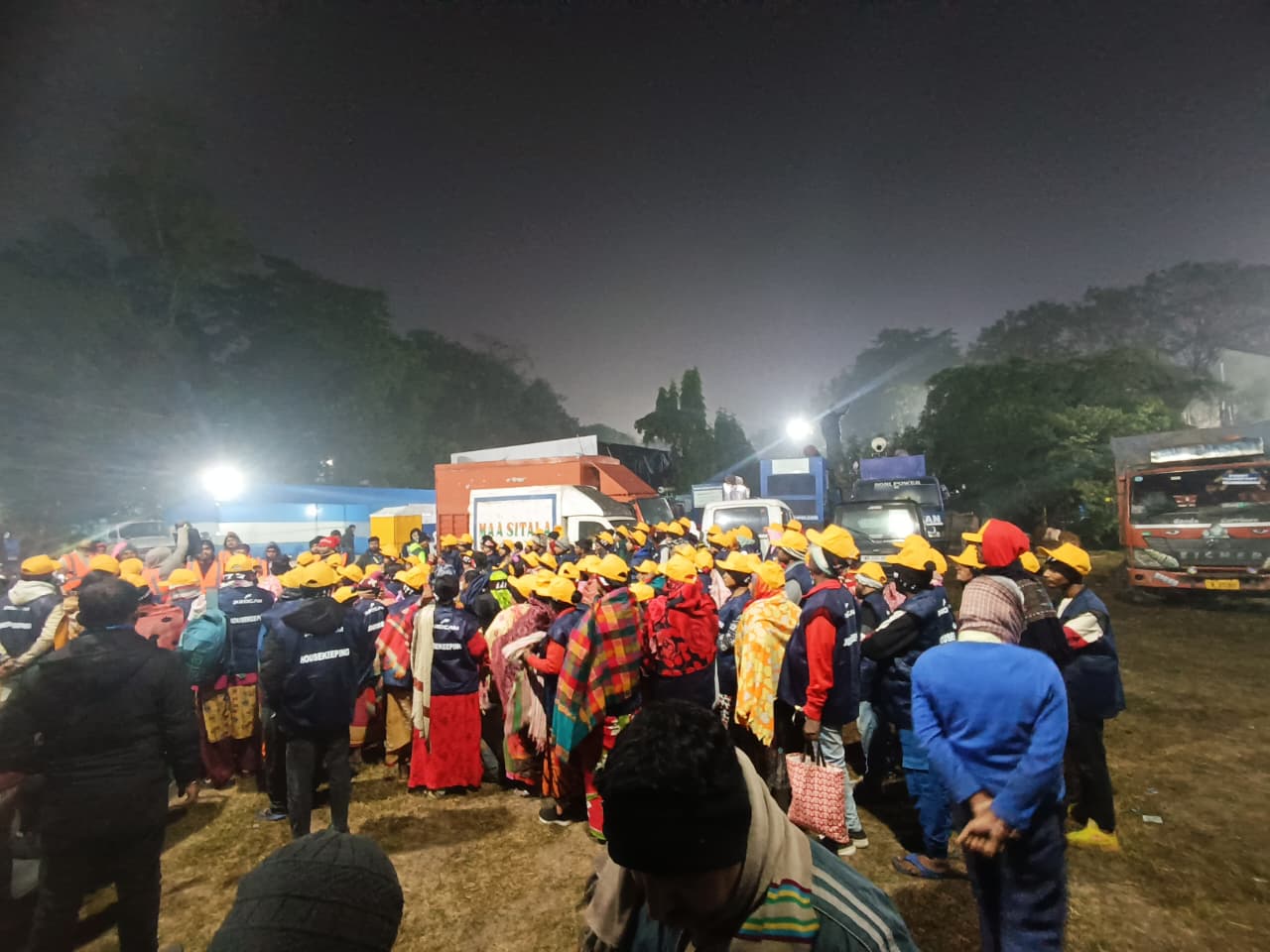
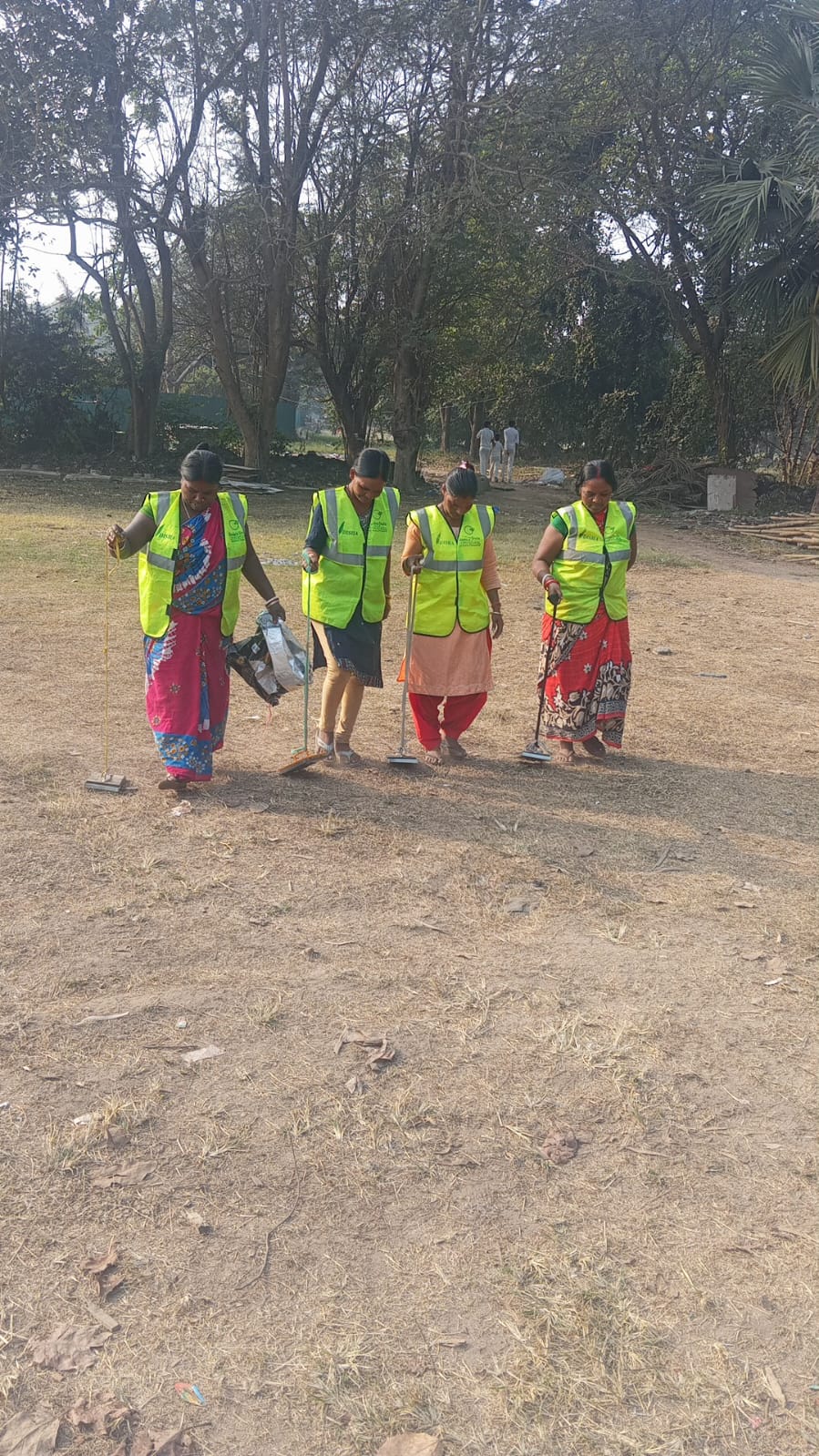
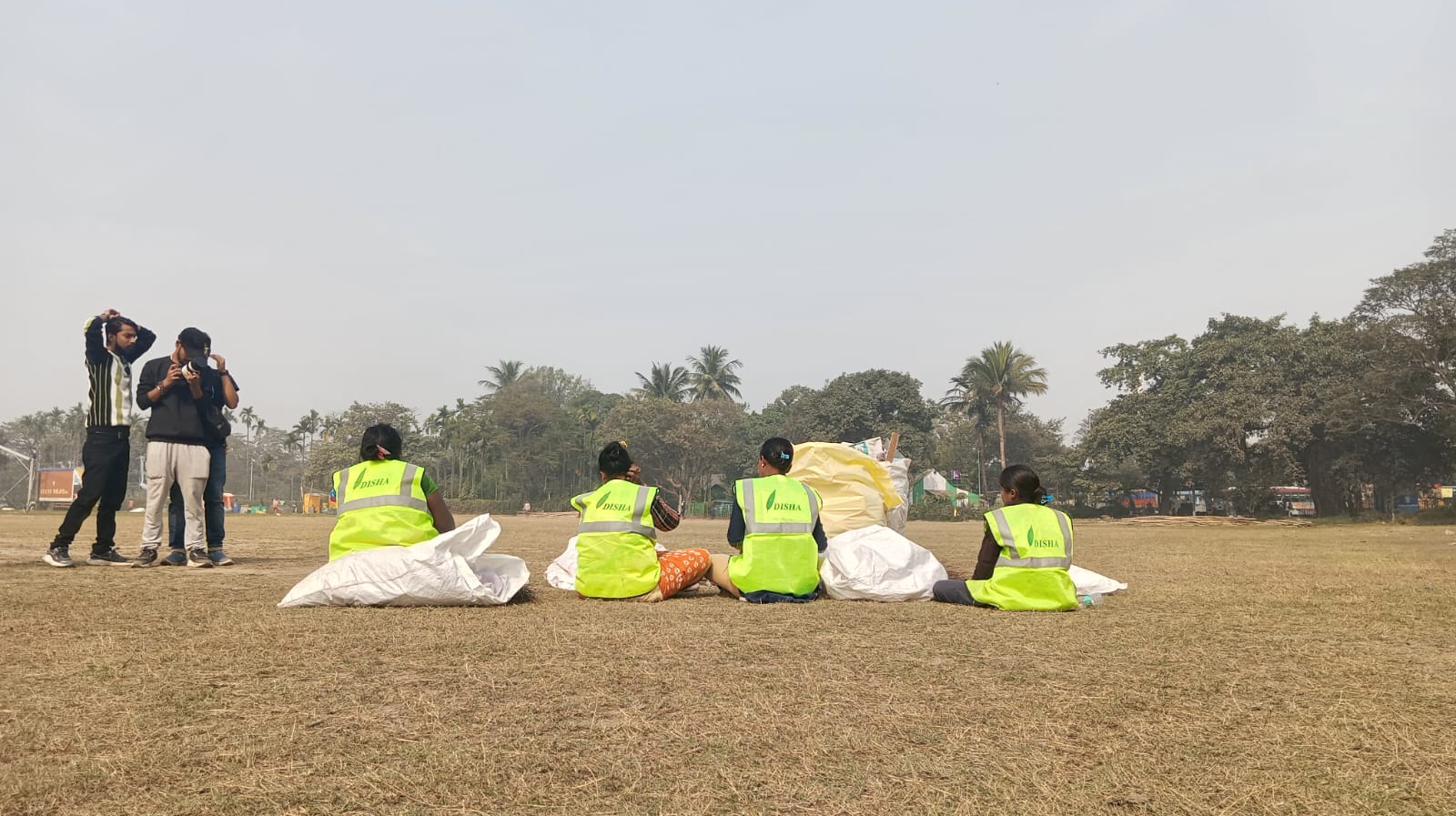
On a cold winter night in mid-December, while the city sleeps, waste pickers—along with members and staff of DISHA—are already at work on the grounds of the Kolkata Maidan. Their task is to prepare for a long day of cleaning along the route of the Tata Steel World 25K Kolkata Marathon, held every year on 21 December.
This effort is a remarkable testament to endurance and commitment. While the marathon is widely celebrated for its runners, spectators, and the festive spirit it brings to the city, the quiet labour of waste pickers often goes unnoticed. Braving the harsh winter night, they work tirelessly to ensure a cleaner city, a safer environment, and a dignified means of livelihood.
A similar story unfolds during the excitement of T20-IPL matches at Eden Gardens. Public attention naturally centres on the players, performances, and match scores, yet another significant tally is rarely acknowledged—the vast quantity of food waste generated within the stadium. The day after each match, waste pickers work relentlessly to segregate and dispose of wet waste, which is then transported to a composting unit in Dhulagarh for proper decomposition.
These experiences reveal a simple but important truth: waste is an inevitable by-product of any gathering, and the larger the gathering, the greater the volume of waste produced. In the age of plastic, this challenge becomes even more acute. Almost everyone uses products containing plastic, making large urban events major sources of plastic waste that must be responsibly segregated and recycled.
This is where DISHA plays a critical role—managing the substantial quantities of waste generated at major events across Kolkata.
Where?
The story of places and events where DISHA has worked in waste management
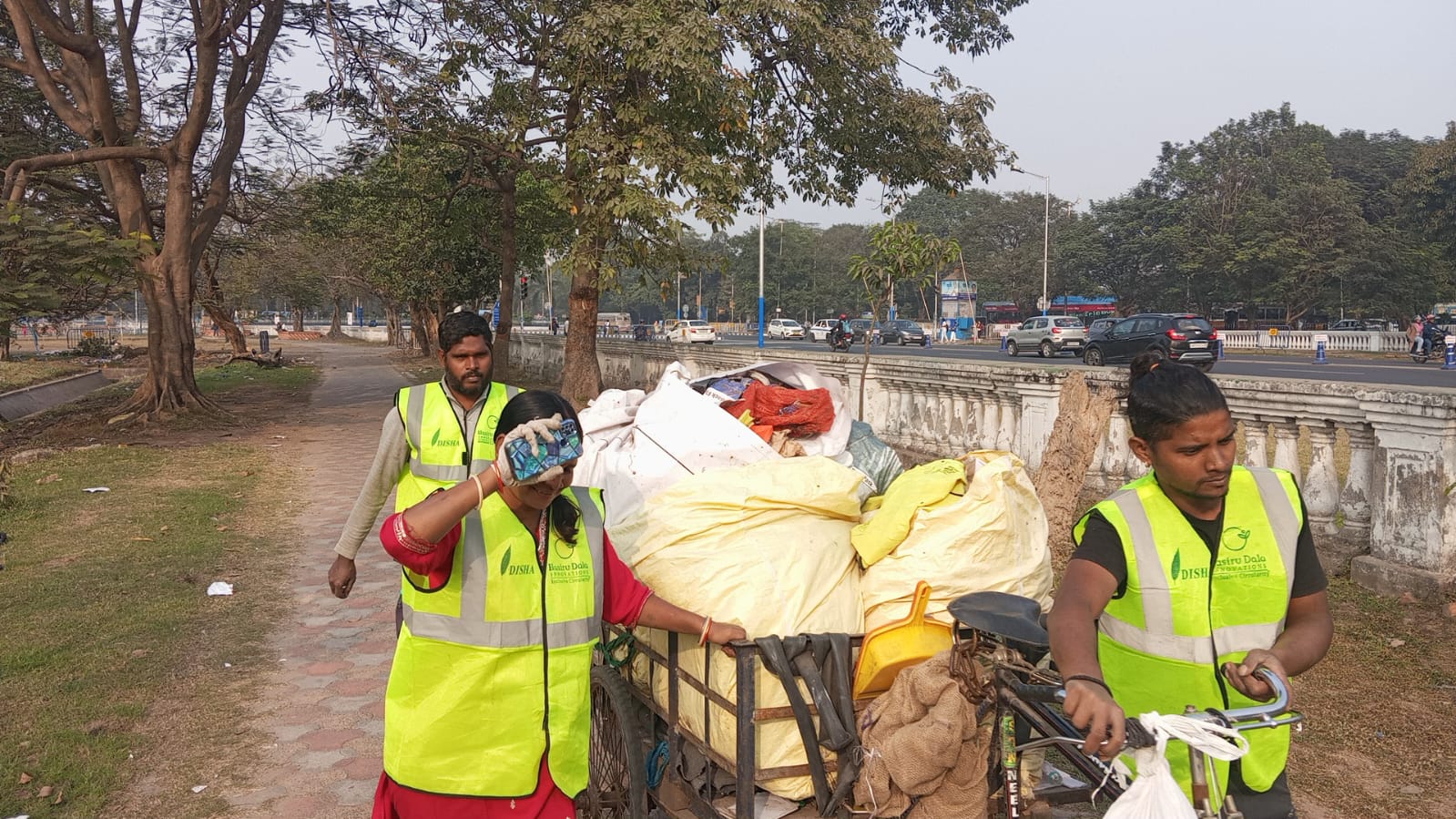
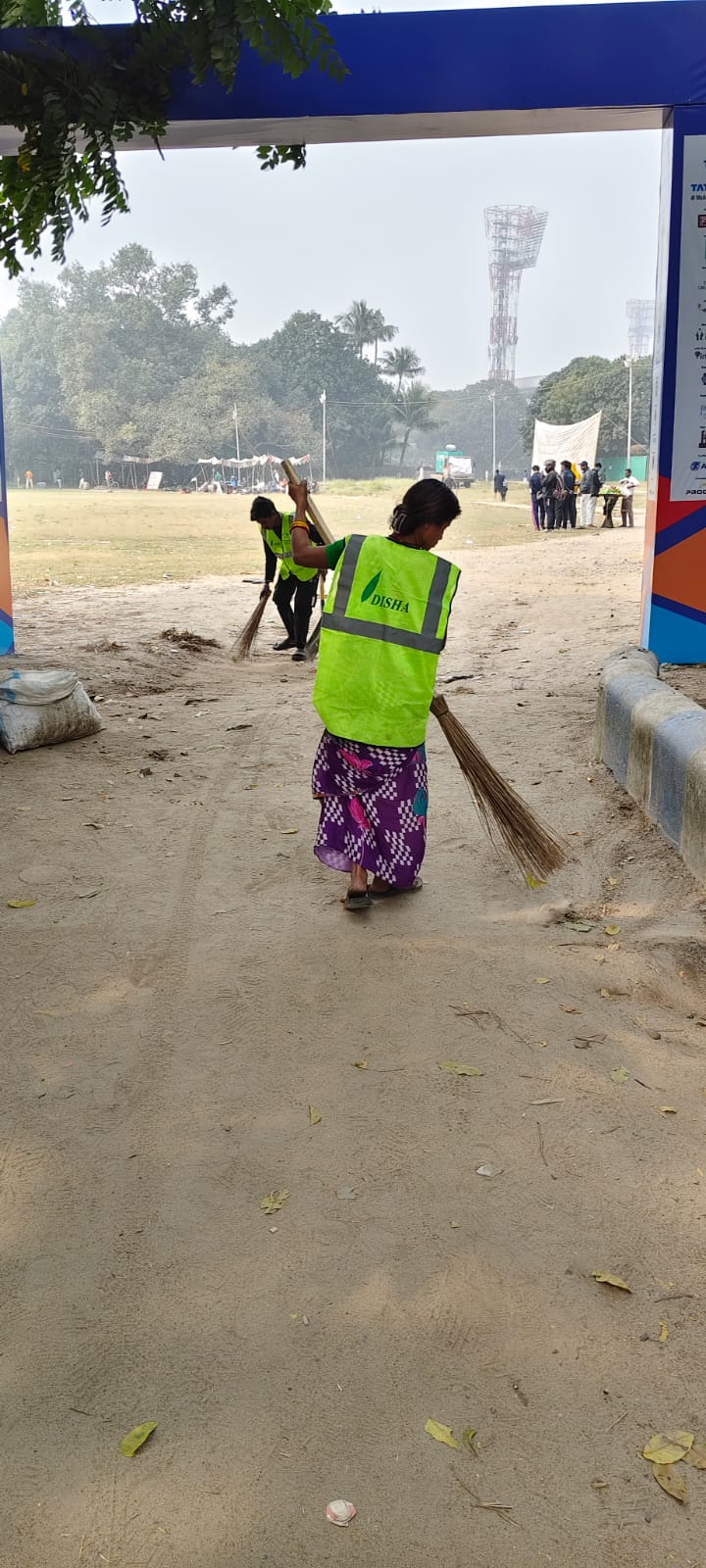
Since 2017, DISHA has been managing waste generated during the Tata Steel World 25K Kolkata Marathon. This ongoing initiative is conducted in partnership with Hasirudala, Bengaluru, and covers waste management before, during, and after the event along the entire marathon route. Prior to the event, the legacy waste is cleared out to set the stage for the event at the venue ground. Once the event is over, all the waste is collected from the route and the venue, for segregation and disposal. This process is supported by waste collectors. DISHA ensures that they are provided with transport, accommodation, amenities, service charges, and other essential facilities.
In 2023, DISHA partnered with United Mumbai to run a public awareness campaign during the ICC Cricket World Cup matches held at Eden Gardens. Through speeches, placards, and other outreach methods, the campaign promoted the idea of a cleaner stadium and a safer environment, engaging cricket fans and spectators directly.
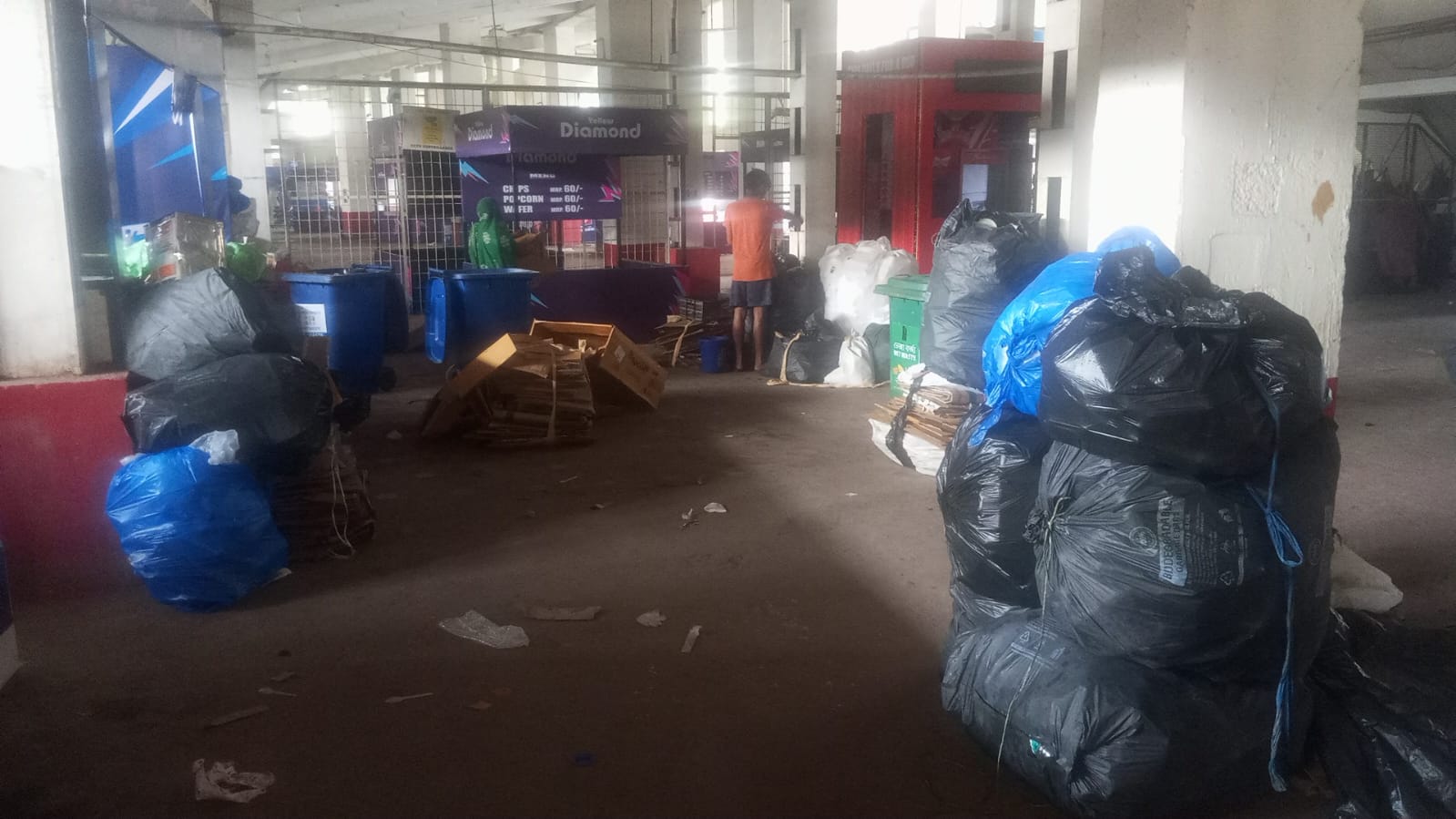
From 2023 onwards, DISHA collaborated with Skrap to manage wet waste from all T20 IPL matches at Eden Gardens. This remains an ongoing effort, covering every IPL match hosted at the venue.
In 2024, DISHA expanded its work to manage waste generated at two international concerts held at Eco Park, Kolkata. More recently, the organisation has also shifted its focus to smaller-scale events. In collaboration with Greenmyna, DISHA successfully managed waste at three wedding events, demonstrating that responsible waste management is essential at gatherings of all sizes.
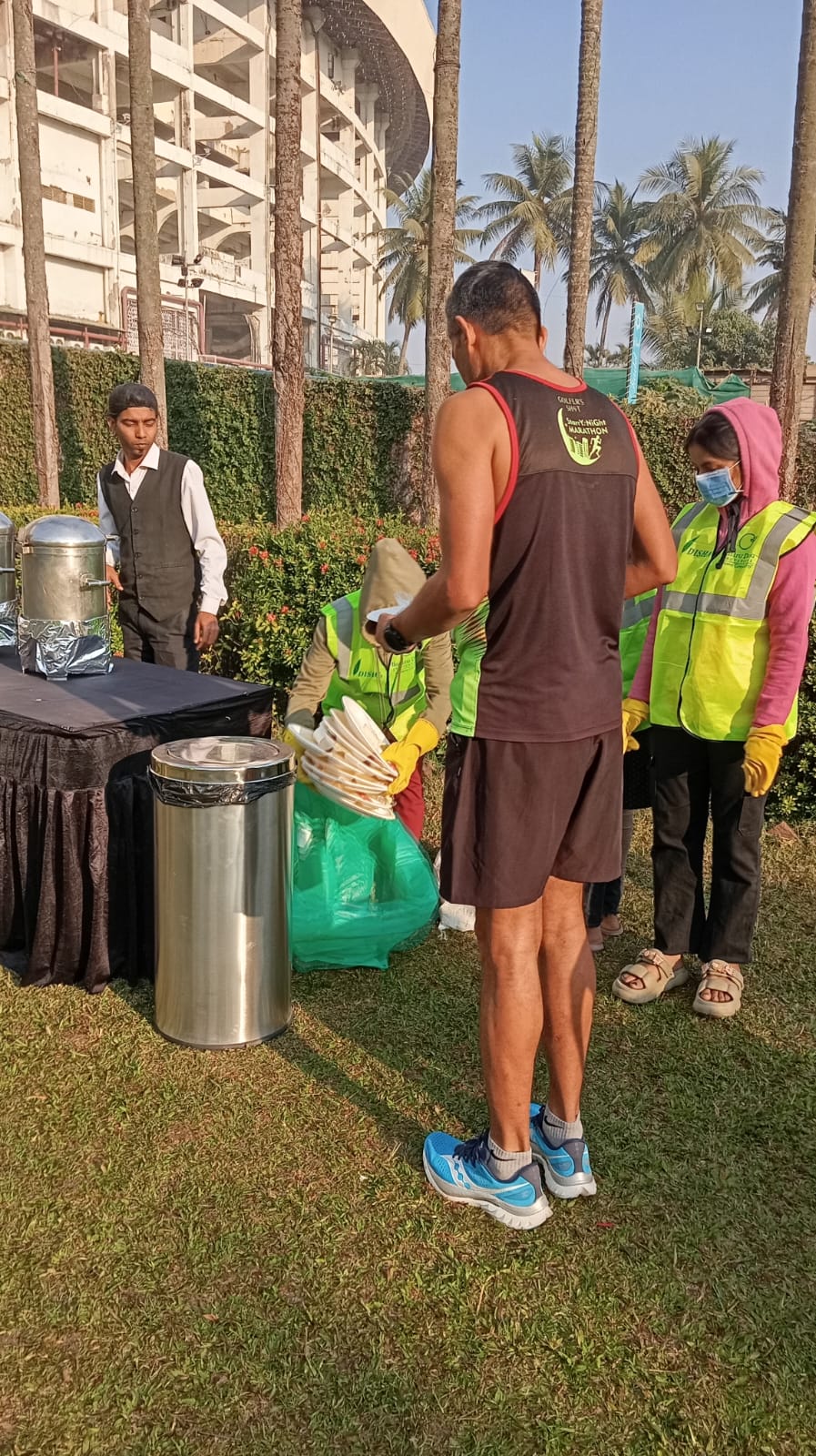
In 2025, the waste management of NEB full 42K Marathon, that took place in Salt Lake, Kolkata, fell into the hands of DISHA through their partners Hasirudala. The entire work of collection, segregation, transportation and disposal was handled by DISHA for this event.
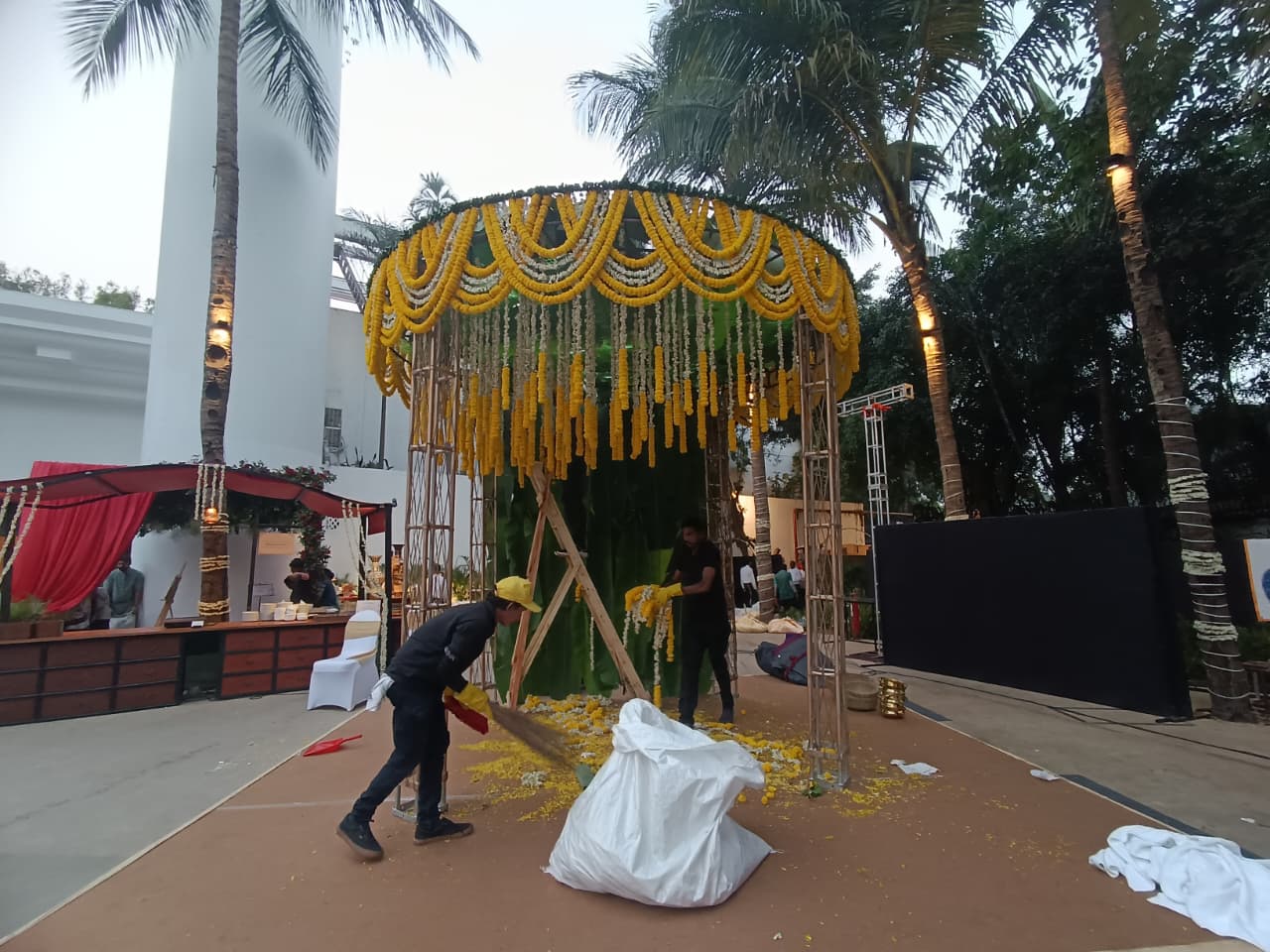
This year, DISHA partnered with Greenmyna to manage the waste generated at Eden Gardens in the ICC Men’s T20 World Cup tournament. For this event, DISHA has undertaken the immense task of segregating the dry waste from the wet waste and disposing them.
How?
The story of how DISHA manages waste after segregation at source
DISHA’s approach to waste management operates at two levels.
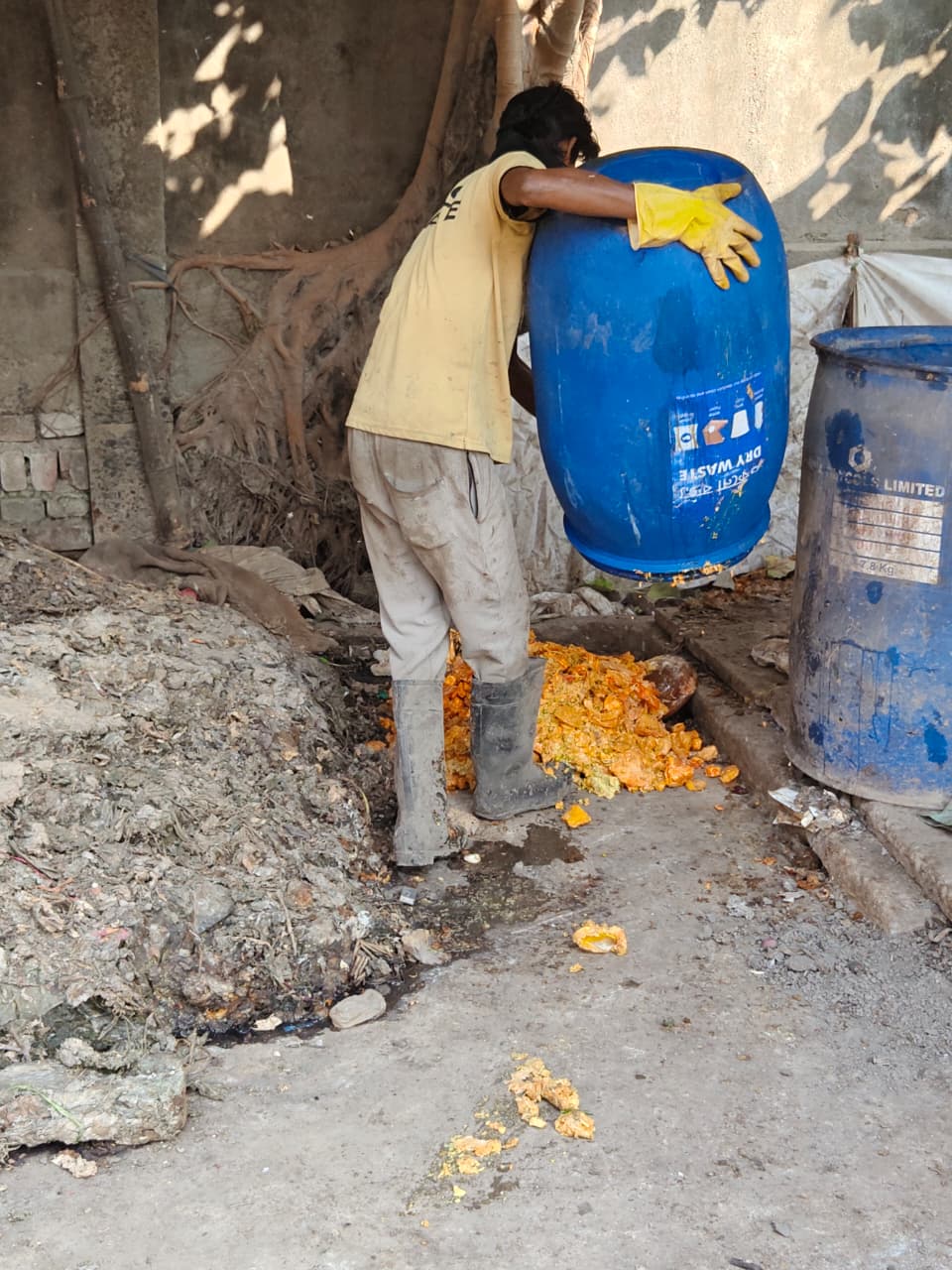
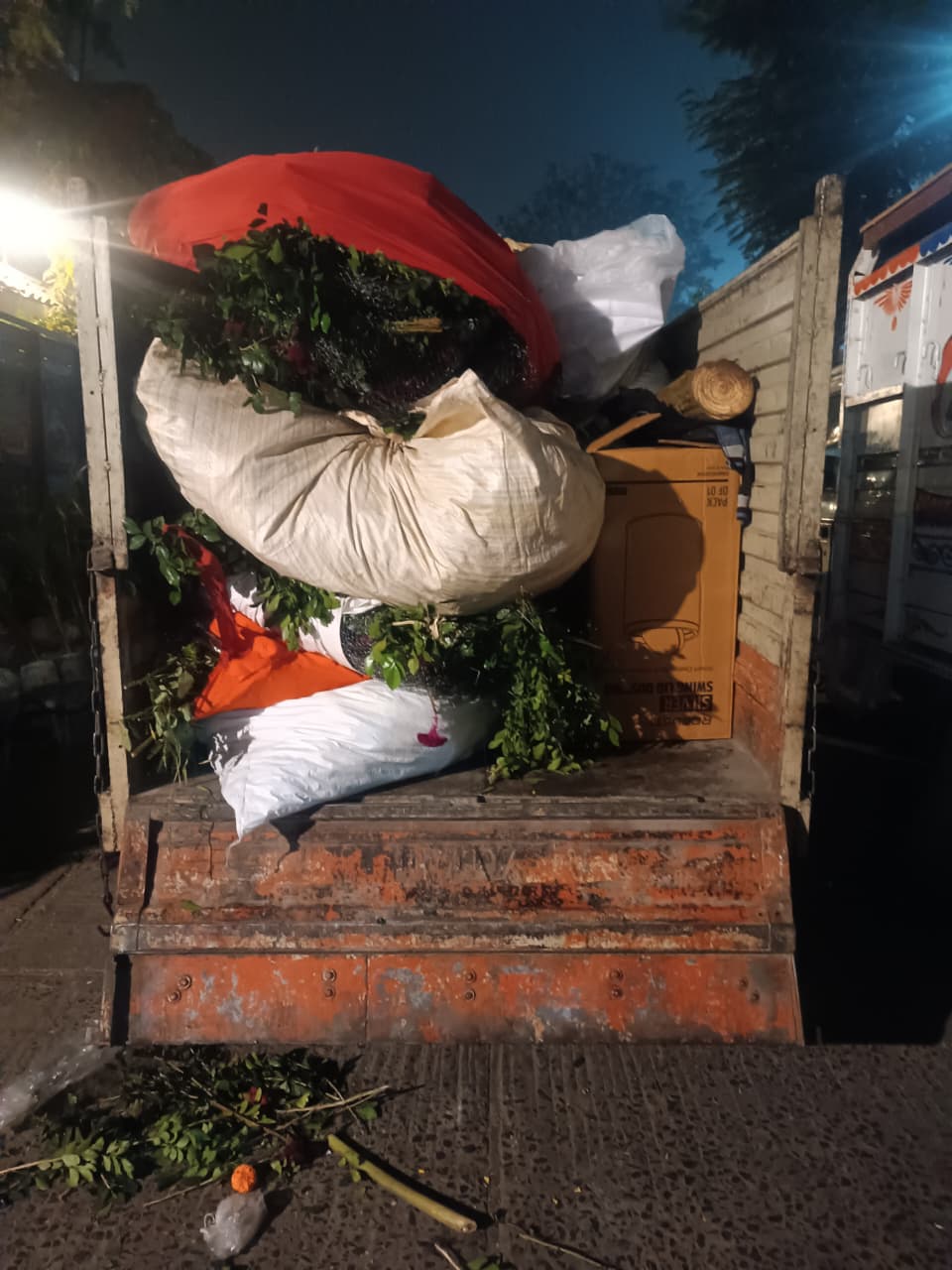
First, DISHA facilitates the work of waste collectors by providing essential safety and work equipment such as gloves, boots, picking sticks, masks, headgear, and reflective vests. In addition, DISHA arranges transportation, food and lodging logistics, and health related safety protocols for the waste collectors.
Second, wet waste collected from events such as IPL matches and the Tata Marathon is transported to the Dhulagarh Truck Terminal and Logistics Hub, where DISHA has established a composting plant. The wet waste is converted into compost, which is then used for plantation activities or made available to the public.
Dry waste is segregated at the source through clearly labelled bins designated for different categories of materials. Plastic waste is further sorted based on type, quality, and composition, while paper waste is separated into distinct categories according to material type. After segregation, the dry waste is supplied to recycling units, ensuring its reintegration into the recycling chain.
Why?
The need for waste management at large-scale events
Urban landscapes are among the largest generators of waste worldwide. Although cities generally possess more advanced waste disposal systems than rural areas, malpractices such as non-segregation at source make waste management an ongoing challenge. This challenge intensifies significantly during large public events, when waste generation increases sharply.
It is in these moments that DISHA intervenes—providing a service not only to the city’s residents but also to the broader environment. Environmental pollution transcends geographical boundaries, and responsible waste management contributes to global ecological well-being.
DISHA is a strong proponent of the Reduce, Reuse, and Recycle principle, which emerged from the environmental movements of the 1970s. This principle emphasises addressing waste at its source. Reducing the use of plastic products is the first and most critical step. Reuse encourages extending the life of products wherever possible—for example, using a plastic bottle multiple times instead of discarding it after a single use. Recycling, the final step, focuses on processing waste into reusable material.
However, it is important to note that most plastic recycling today involves downcycling, where plastic can only be recycled once or twice before it degrades into microplastics. This reality underscores the importance of prioritising reduction and reuse as primary strategies to combat plastic pollution.
In India, the Solid Waste Management Rules, 2016 mandate segregation of waste at source. In alignment with these regulations, DISHA’s initiatives aim to serve the community, protect ecosystems, and contribute meaningfully to environmental sustainability.