
Rebuilding Learning Along the Teesta: The Story of Ananda DISHA in North Bengal

The three learning centres in North Bengal did not begin with a building or a formal project plan. They began with a concern shared by parents, local people and young volunteers in the aftermath of the COVID-19 pandemic.
When schools reopened, many children had officially progressed to higher classes despite losing crucial formative years of learning. Some struggled to write their own names. Others could not identify the district or state they lived in. For families in remote fishing settlements along the Teesta, already burdened by the economic consequences of the pandemic, this became another source of vulnerability. It was evident that simply sending children back to school would not bridge the learning gap.
The success of Ananda DISHA in Purba Medinipur inspired DISHA’s Maynaguri unit members to attempt some kind of learning support. The first rural centre came up in Bakali, a village on the Teesta River where DISHA had been working among the local fishing community. A young woman from the village volunteered to teach, while families pooled whatever resources they could. The year was 2022.
There was no certainty about how long the effort would continue, only a shared conviction that the children deserved another opportunity to learn.
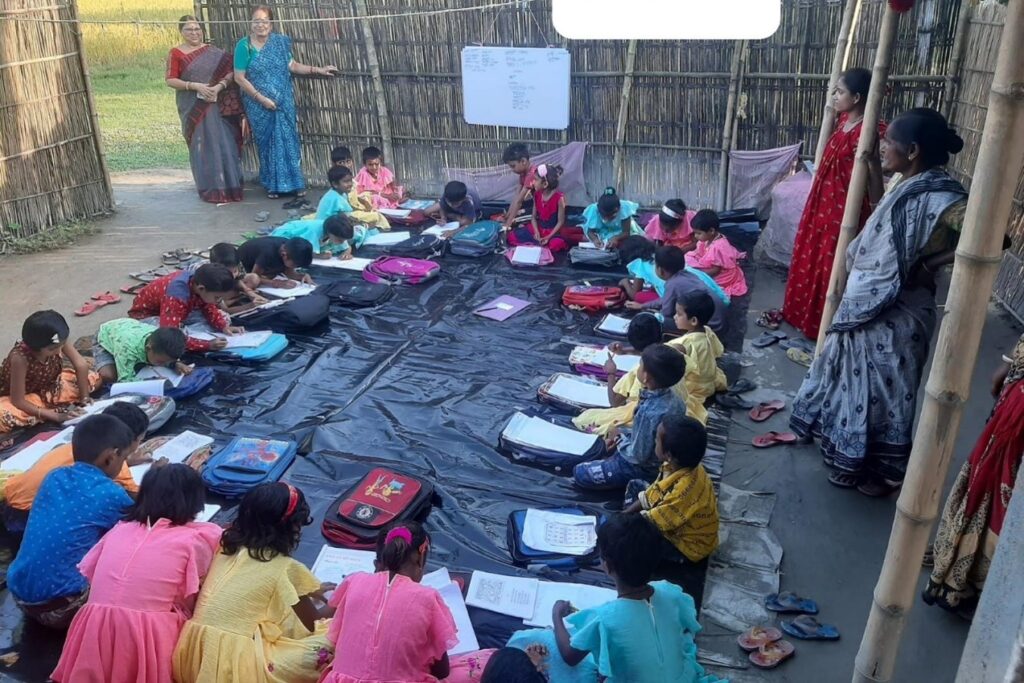
The following year, another centre was established in the Ulladabri area. The location of the centre had to be shifted more than once. The learning centres at Bakali and Ulladabri constituted Ananda DISHA’s foray in North Bengal.
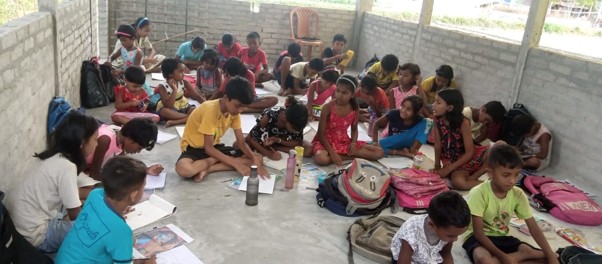
A third centre opened at Gajaldoba in 2025. Beginning with only a handful of children, it now supports some twenty students. While the neighbouring government school often records low attendance, the learning centre continues to attract enthusiastic participation from children and parents alike.
Today, seventy-three children attend the three centres before regular school hours, six days a week. Academic learning forms the core of the programme, complemented by activities such as singing, dance, drawing, yoga, martial arts and physical training.
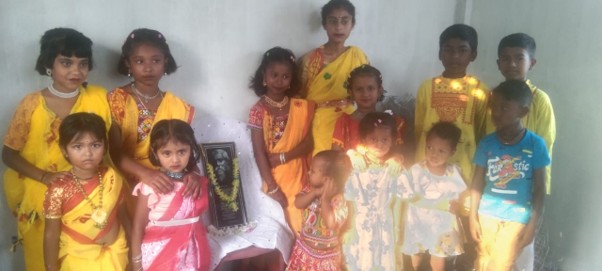
At Ulladabri, learning Taekwondo has become especially popular. The objective extends beyond improving examination results; it is to rebuild children’s confidence, curiosity and love for learning.
Education here reaches well beyond textbooks. Teachers use globes, maps and simple models of the solar system to help children understand where they belong—from their own village to the wider world. They practise writing letters, introduce themselves confidently and develop practical knowledge that complements classroom learning. Environmental awareness activities and community clean-up drives further encourage children to become responsible citizens.
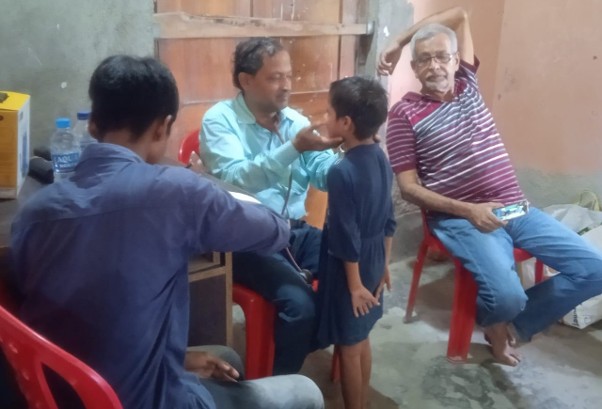
The programme has also expanded to include older children and young adults. Women from the villages receive affordable sanitary pads sourced through the nearest Pradhan Mantri Jan Aushadhi Kendra, helping address an everyday need that is often overlooked because of social stigma and limited local access. Regular health camps conducted by healthcare professionals provide basic check-ups, medicines and timely advice, reassuring families that their children’s wellbeing receives attention alongside their education.
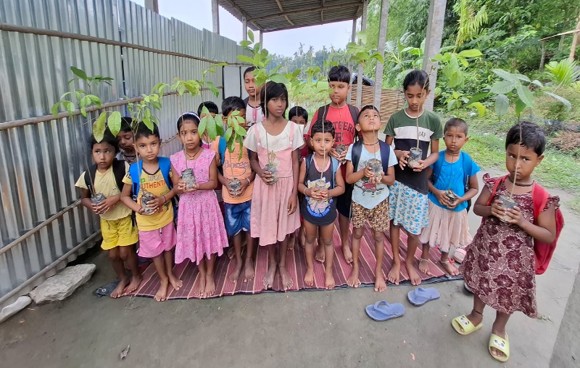
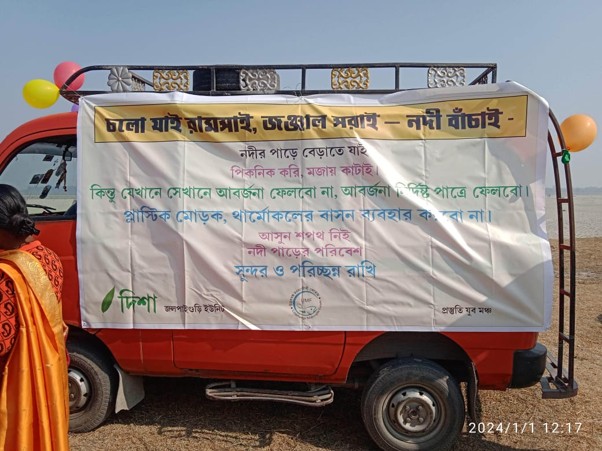
The Teesta remains central to the lives and livelihoods of these fishing communities. Increasing tourism and year-round riverside picnics, however, have brought growing plastic pollution to its banks. The children have responded by organising awareness campaigns, encouraging visitors to use biodegradable plates, helping install dustbins and participating in clean-up drives. Through these activities, they discover that education also means caring for the environment that sustains their communities.
The centres continue to function despite significant challenges. One is frequently inundated during the monsoon when the Teesta overflows, while others still lack electricity and toilets. Yet classes continue every week, sustained by committed teachers and communities determined that these spaces should endure.
The story of Ananda DISHA in North Bengal is, above all, one of communities reclaiming education after a period of profound disruption. It reminds us that meaningful change does not always begin with large institutions or grand announcements. Sometimes it begins when neighbours and well-wishers recognise a shared challenge and decide that the next generation cannot afford to wait.